
The Design Process Part 3: How Long Does an Interior Design Project Really Take?
It’s usually one of the first questions people ask, and one of the hardest to answer honestly. “How long will this take?” The truthful answer is always some version of “it depends,” which satisfies nobody.
So let’s actually break it down.
Whether you’re furnishing a single room, renovating your home, or building from the ground up, understanding the interior design process can help you plan with more confidence. By the end of this post, you’ll understand the phases that make up a design timeline, what influences each one, and why the projects that feel the most calm are rarely the ones that move the fastest.
How Long Does an Interior Design Project Take?
An interior design project can take anywhere from a few weeks to several months or longer, depending on the scope of work. A single-room furnishing project follows a different timeline than a whole-home renovation or new-build interior design project.
The biggest factors are the complexity of the design, the number of decisions involved, product availability, construction requirements, and how quickly approvals can be made. Custom furnishings and window treatments can also require additional time for measuring, fabrication, delivery, and installation.
At JL Signature Designs, I believe the goal isn’t simply to finish as quickly as possible. It’s to create a home that feels intentional, functions beautifully, and reflects the people who live there, without unnecessary stress along the way.
Let’s look at what that actually means for different types of projects.
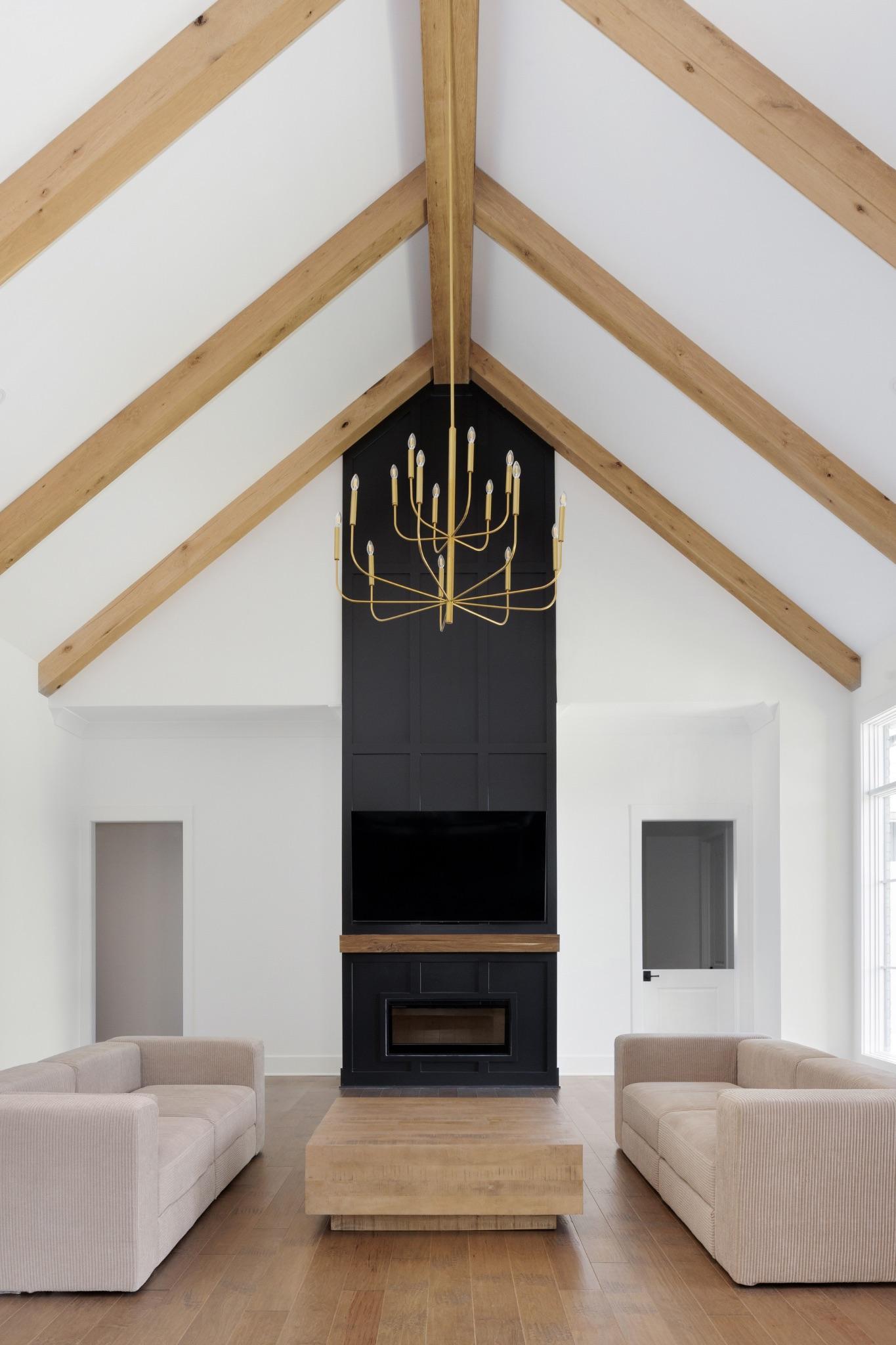
How Timelines Differ by Project Type
Not every interior design project follows the same schedule. The work involved in furnishing a living room is very different from coordinating finishes for a new build or managing selections for a major renovation.
Single-Room Furnishing and Styling
A furnishing project may involve space planning, furniture selections, custom pieces, artwork, lighting, rugs, and accessories. The timeline depends on how many decisions need to be made, whether custom items are involved, and when everything can be delivered and installed.
Even when the design itself comes together quickly, furniture availability and shipping can affect the final installation date. A room can be thoughtfully planned and ready for installation long before every piece has arrived.
Whole-Home Furnishing
Furnishing an entire home requires coordination across multiple rooms. Each space needs to work on its own while contributing to a cohesive overall design.
Furniture layouts, finishes, lighting, window treatments, and accessories all need to work together. There may also be several rounds of sourcing, ordering, delivery coordination, and installation.
The more rooms involved, the more important it becomes to establish priorities early and create a plan for how the home will come together.
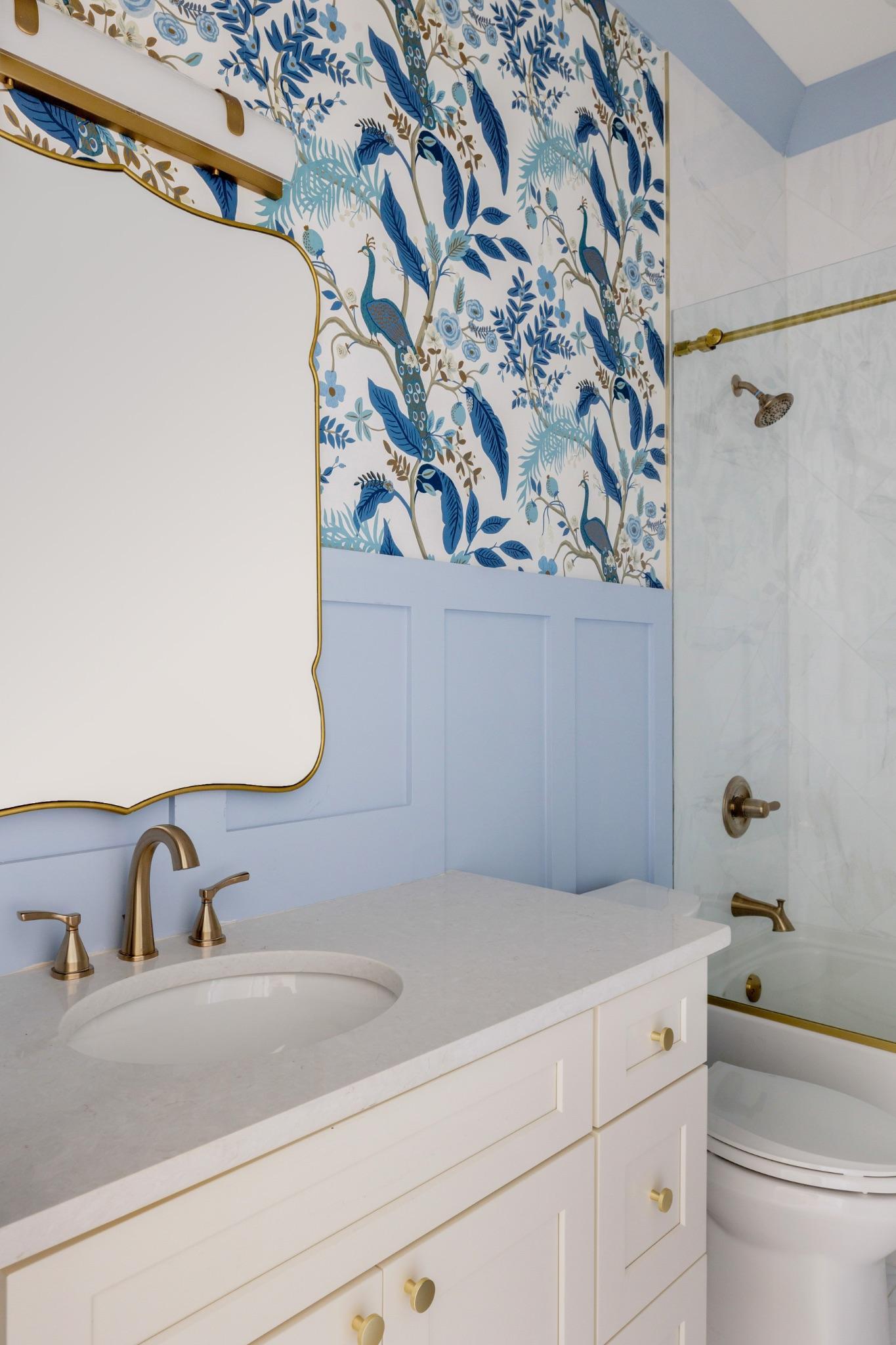
Kitchen and Bathroom Renovations
Renovation timelines depend on much more than the design selections. Cabinetry, countertops, plumbing fixtures, tile, lighting, appliances, permits, and contractor schedules can all influence when work begins and when the space is ready to use.
This is why I place so much emphasis on the selection phase before construction starts. Having key decisions made early can help reduce avoidable delays and give the contractor a clearer plan to follow.
For a deeper look at this part of the process, read The Selection Phase: Why the Best Remodels Start Before Construction.
Whole-Home Renovations
A whole-home renovation introduces additional layers of coordination. Layout changes, multiple contractors, material selections, construction sequencing, and unexpected conditions can all affect the schedule.
The design process needs to account for how individual rooms relate to one another, how the home functions as a whole, and how decisions in one area may affect another.
This is where having an experienced interior designer coordinating with your architect, builder, and contractors can make a meaningful difference. The objective is to anticipate decisions, keep the larger vision in view, and address challenges before they create unnecessary complications.
New-Build Interior Design
Designing a home from the ground up requires coordination with the architect and builder, often well before construction begins.
Floor plans, lighting plans, cabinetry, plumbing fixtures, flooring, tile, hardware, and other finishes need to be considered in relation to the overall design. Some decisions must be finalized before particular construction milestones can move forward.
Early collaboration allows the design to develop alongside the build rather than trying to fit important decisions into an already established construction schedule.
You can learn more about my full-service interior design services, including new builds, renovations, and furnishings and styling.
The Phases That Make Up an Interior Design Timeline
Regardless of the project type, most interior design projects move through several core phases. Some happen sequentially, while others overlap depending on the scope and schedule.
1. Discovery and Planning
This is where the project gets defined. We discuss your goals, lifestyle, budget, priorities, and the overall direction you want your home to take.
I want to understand how you live, what’s working in your current space, and what you want to change. Those conversations help establish the foundation for decisions that follow.
Rushing this phase is one of the easiest ways to create problems later. When the scope, budget, and priorities are clear from the beginning, the rest of the process has a stronger foundation.
2. Design Development and Selections
Once we establish the direction, the design begins to take shape. This may include space planning, layouts, renderings, materials, finishes, furnishings, lighting, and other details specific to your project.
This phase requires thoughtful decision-making. Each selection needs to work with the overall design, the practical needs of the household, and the established budget.
The goal isn’t to make decisions quickly just to check boxes. It’s to make the right decisions with enough information to feel confident about them.
3. Sourcing, Ordering, and Coordination
After selections are approved, products and materials need to be ordered and coordinated.
This phase is often one of the biggest influences on a project’s overall timeline because manufacturing and delivery schedules aren’t always within anyone’s control. Custom furniture, cabinetry, fabrics, and window treatments may require additional production time.
For custom window treatments, for example, the process can include measuring, selecting fabrics and hardware, fabrication, and professional installation. These details are worth planning for early rather than treating them as a last-minute finishing touch.
I plan window treatments as part of the larger design wherever possible because they influence light, privacy, proportion, and the way a room feels when everything comes together. You can learn more about my custom window treatment services.
4. Construction or Installation
For renovation and new-build projects, this phase involves the physical work happening in the home. For furnishing projects, it may involve receiving deliveries, coordinating installers, placing furniture, and bringing the design to life.
The schedule depends on the scope of work, contractor coordination, product arrivals, and any conditions discovered along the way.
This phase tends to run more smoothly when the planning and selection work has been handled carefully. It doesn’t eliminate every surprise, but it gives everyone a clearer roadmap.
5. Final Styling and Finishing Touches
This is the part where everything begins to feel complete.
Furniture is placed, artwork is hung, accessories are arranged, window treatments are installed, and the smaller details are brought into focus. These elements help transform a collection of beautiful individual pieces into a home that feels cohesive and personal.
It may be the final phase, but it shouldn’t be an afterthought. The finishing details are often what make a room feel truly lived in rather than simply finished.
What Actually Slows an Interior Design Project Down?
It’s rarely just one thing. More often, it’s a combination of decisions, dependencies, and circumstances that affect the schedule.
Here are some of the most common factors.
- Delayed decisions or approvals. When a selection isn’t finalized, other decisions or orders may have to wait. Prompt communication helps keep the project moving.
- Backordered or custom products. Furniture, cabinetry, fabrics, fixtures, and window treatments may have manufacturing or shipping lead times that affect installation.
- Changes in scope. Adding rooms, changing layouts, or revisiting approved selections can require additional design work, revised pricing, and schedule adjustments.
- Construction surprises. Renovations can uncover conditions that weren’t visible during the initial planning process. These may need to be addressed before work can continue.
- Scheduling and coordination. Contractors, installers, vendors, and deliveries all need to align. A delay in one part of the project can affect the next stage.
The projects that move smoothly aren’t necessarily the ones without obstacles. They’re the ones where decisions are made thoughtfully, communication stays clear, and the schedule allows room to address challenges.
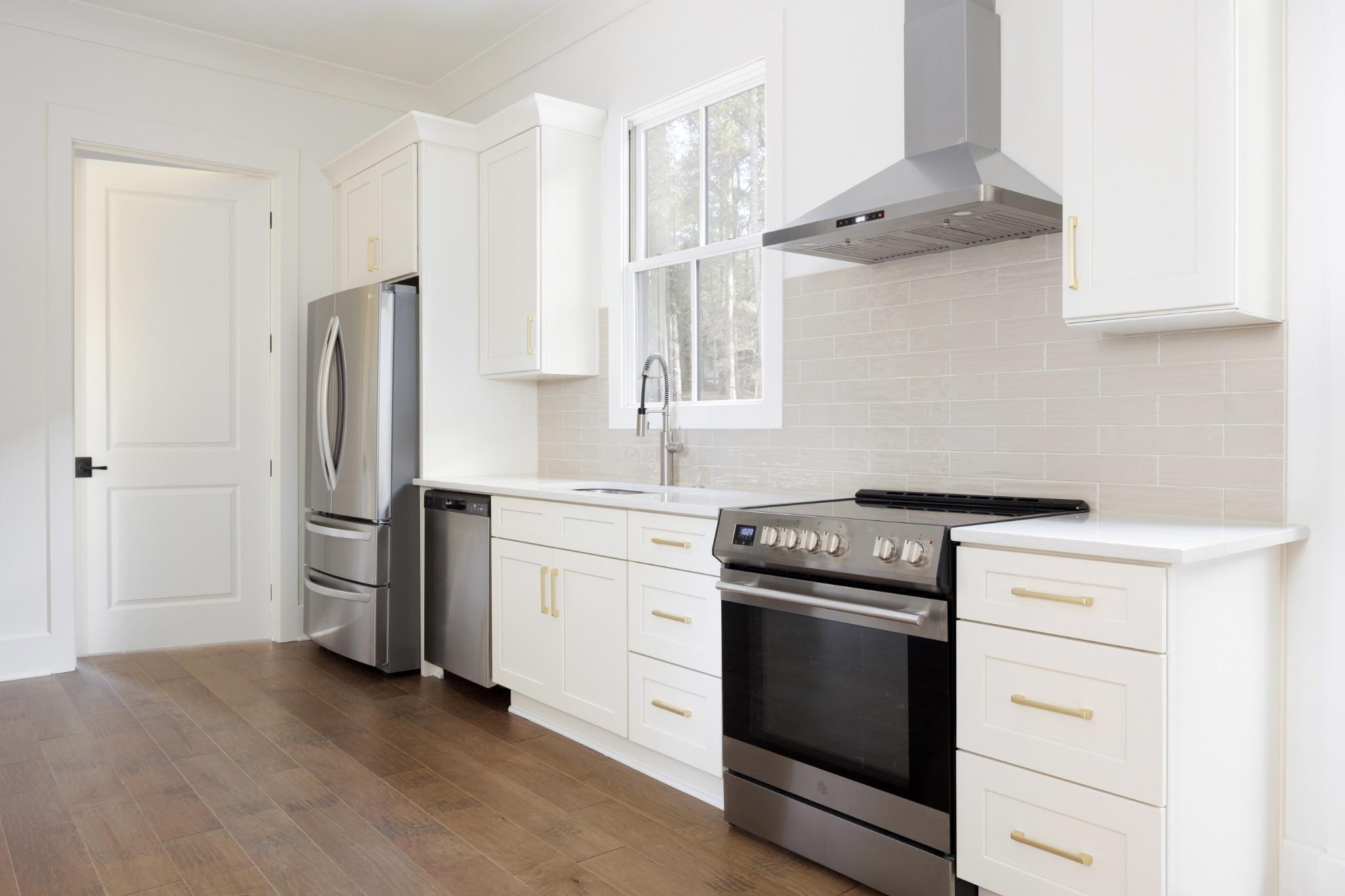
How Can You Keep Your Interior Design Project on Schedule?
While no designer can control every variable, there are several things homeowners can do to help a project move forward with fewer avoidable delays.
Establish Your Budget and Priorities Early
A clear understanding of your investment and priorities helps guide selections from the beginning. It also makes it easier to evaluate alternatives if a particular product or material isn’t available or doesn’t fit the budget.
Make Decisions With the Full Picture in Mind
It’s easier to make confident choices when you understand how each selection fits into the overall design. Reviewing materials, finishes, layouts, and budgets together can help reduce the need to revisit decisions later.
Allow Time for Custom Work
Custom furniture, cabinetry, and window treatments often involve additional steps beyond selecting a product. Planning for measuring, fabrication, delivery, and installation helps set more realistic expectations.
Communicate Promptly
Questions and changes are a normal part of the design process. Communicating them early gives the design team an opportunity to understand the implications and adjust the plan when needed.
Build in Flexibility
Even a carefully planned project may encounter an unexpected delay. Allowing room for adjustments makes it easier to respond thoughtfully instead of feeling as though the entire project is falling behind.
Does the Interior Design Timeline Include Construction?
Not always. This is an important distinction to clarify at the beginning of a project.
The design timeline may refer to the time needed to develop the design, make selections, and prepare for implementation. The overall project timeline may also include permitting, construction, manufacturing, delivery, installation, and final styling.
Some of these activities can happen at the same time, while others depend on earlier decisions being completed first.
When discussing a timeline with your designer, ask what the proposed schedule includes, which milestones depend on outside vendors or contractors, and what needs to happen before the project can move into its next phase.
Understanding the difference between the design phase and the full project schedule can help you plan more realistically, especially if you’re coordinating a move, hosting an event, or managing other household commitments.
Why I’d Rather Be Honest Than Fast
I could give you an optimistic number to make a first conversation feel easier. I won’t.
After 25 years of designing homes, I’ve learned that a thoughtful process is worth protecting. Rushed decisions can lead to compromises, second-guessing, and choices that don’t feel right once you’re living with them.
My job is to help you make informed decisions, coordinate the details, and create a home that supports the way you actually live. That means setting realistic expectations, communicating clearly, and making room for the parts of the process that deserve time and attention.
At JL Signature Designs, I take on a limited number of projects so I can give each client and home the attention it deserves. Whether I’m coordinating a new build, guiding a renovation, or furnishing a home, the goal is the same: a thoughtful, organized experience and a result you’ll enjoy for years to come.
Frequently Asked Questions About Interior Design Timelines
How long does a typical interior design project take?
The timeline depends on the project’s scope and complexity. A single-room furnishing project generally requires a different schedule than a whole-home renovation or new build. Product availability, client approvals, construction requirements, and installation all influence the overall timeline.
What is the longest phase of an interior design project?
There isn’t one phase that is always the longest. Design development, product sourcing, manufacturing, and construction can each have a significant impact depending on the project. Custom materials and products with extended lead times should be considered during early planning.
Can an interior designer speed up a home renovation?
An interior designer can help reduce avoidable delays through early planning, coordinated selections, clear communication, and collaboration with contractors and vendors. However, permitting, unexpected construction conditions, and supplier delays may still affect the schedule.
When should I hire an interior designer for a renovation or new build?
Ideally, involve your interior designer during the early planning stages, before major selections are finalized or construction begins. Early involvement helps align the design direction, budget, material selections, and construction milestones.
Why do custom furniture and window treatments take longer?
Custom pieces may require design approval, measurements, material selection, fabrication, shipping, and professional installation. The timeline depends on the product, manufacturer, workroom, and installer. Planning for these steps early helps avoid treating custom items as last-minute additions.
Can I move into my home before every design detail is finished?
In some projects, yes. The answer depends on construction completion, safety, occupancy requirements, and which furnishings or installations remain outstanding. Your builder or contractor should confirm when the home is ready for occupancy. Your designer can help coordinate remaining furnishings and finishing details around your priorities.
Ready to Plan Your Interior Design Project?
Whether you’re furnishing a single room, renovating your home, or planning a new build, the right timeline starts with a clear understanding of your goals, priorities, and budget.
At JL Signature Designs, I bring more than 25 years of interior design experience to creating thoughtful, personalized spaces. From the first conversation through selections, sourcing, and installation, my goal is to make the process feel organized, intentional, and enjoyable.
I work with homeowners in Atlanta and throughout the country who want a guided design experience and a home that reflects how they live.
If you’re thinking about a project, let’s talk about your vision and what a realistic timeline could look like.


